What Happens During a Professional Bee Removal Service in Katy, TX? A Step-by-Step Guide


Finding bees around your property can raise several immediate questions. Where is the colony located? How will technicians reach it? What happens after removal?
A professional bee removal service in Katy, TX follows a structured process. The exact approach depends on colony location, accessibility, and surrounding property conditions.
Understanding each stage helps homeowners know what to expect before work begins.
Step 1: Inspecting the Bee Activity
The process starts by observing where bees are flying. Repeated movement around one opening can indicate an established colony.
The technician may inspect roof edges, siding, soffits, vents, trees, or other likely locations. Indoor signs may also help identify hidden activity.
A proper bee removal service avoids making assumptions based only on visible bees.
Step 2: Identifying the Insects
Correct identification matters before removal begins. Different insects can have similar colors or flight patterns.
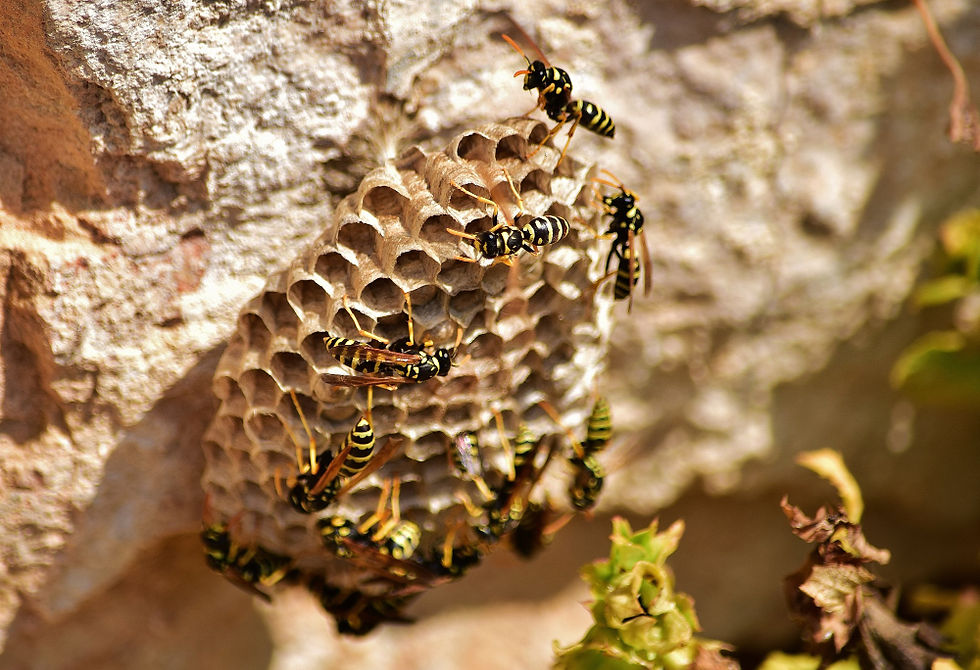
The technician determines whether the activity involves honey bees or another stinging insect. Nesting behavior also provides useful identification clues.
A reliable bee removal service chooses its approach after confirming what occupies the property.
Step 3: Locating the Colony
Finding the entrance does not always reveal the colony's exact position. Bees may travel through gaps before reaching their nesting cavity.
Wall, ceiling, roof, or soffit colonies require careful assessment. Unnecessary structural openings should be avoided whenever possible.
A bee removal service near Katy, TX can assess likely nesting locations before access work starts.
Step 4: Planning Safe Access
An exposed colony may be relatively straightforward to reach. Hidden colonies can require access through exterior or interior building materials.
Height can also change the removal plan. Rooflines and upper-story locations may require suitable access equipment.
Professional bee removal service planning considers safety, building design, and colony position before removal begins.
Step 5: Preparing the Work Area
People and pets should remain away from active work areas. Nearby doors and windows may need to stay closed during removal.
Technicians also need clear access around the colony. Outdoor furniture or other obstacles may require temporary relocation.
Preparation allows the bee removal service to proceed with fewer interruptions.
Step 6: Removing the Colony
The actual removal method depends on the situation. An exposed swarm requires a different approach from an established wall colony.
Technicians work carefully around active bees while accessing the nesting location. Hidden colonies may require additional time because their full size remains concealed.
A thorough bee removal service focuses on the colony rather than only visible activity.
Step 7: Addressing Comb and Hive Material
Established honey bee colonies can contain comb, honey, and other hive material. These materials may remain after the bees are removed.
Leaving accessible comb behind can create unwanted consequences. Honey may leak, while old hive material can attract other pests.
Complete bee removal service work should consider accessible nesting material whenever the situation requires it.
Step 8: Checking the Former Nesting Area
After removal, the nesting area should be reviewed carefully. This helps identify remaining hive material or structural concerns.
The original entry route should also be identified. Understanding how bees entered supports better prevention planning. Professional bee removal service is not simply about stopping visible flight activity.
Step 9: Sealing Suitable Entry Points
Structural gaps should generally be addressed after active removal is completed. Sealing an occupied entrance too early can trap bees inside.
Suitable gaps around siding, vents, utility lines, and roof edges may require attention. Repairs depend on the property's construction. Preventive work can reduce the chance of another colony using the same cavity.
What Should Homeowners Do Before Service?
Avoid spraying bees or disturbing their entrance before the appointment. Do not block openings that bees are actively using.
Keep children and pets away from the affected area. Note where bee activity appears strongest during the day. These observations can help the technician understand the colony's movement.
Final Thoughts
Professional removal involves much more than removing bees visible outside. Inspection, identification, access, colony removal, cleanup, and prevention all matter.
Choosing a bee removal service can provide a structured approach for difficult colonies. A bee removal service near Katy, TX can also assess hidden or elevated nesting locations.
A complete bee removal service addresses the immediate activity while considering the property's future protection.


Comments